Home Effects of Naira Devaluation on the Automotive Industry The devaluation of the Naira, Nigeria’s national currency, has significant repercussions across various …

Effects of Naira Devaluation on the
Automotive Industry
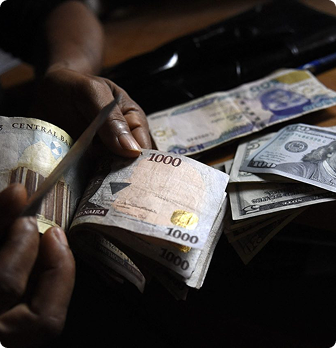
The devaluation of the Naira, Nigeria’s national currency, has significant repercussions across various sectors of the economy, including the automotive industry. This article explores the multifaceted impacts of Naira devaluation on automotive businesses, both locally and internationally. We will delve into changes in import costs, shifts in consumer behavior, challenges faced by industry players, and government interventions to provide a comprehensive analysis of the effects of currency devaluation on the automotive sector in Nigeria.
Choose Cooling Systems Wisely:
Naira devaluation is like your favourite smoothie suddenly costing double. In simple terms, it’s when the value of the Nigerian currency takes a hit against other currencies, impacting everything from the price of your morning coffee to that dream car you’ve been eyeing.
Historical Context and Trends
Naira devaluation behaves like a recurring character – it shows up, wreaks havoc, and leaves us wondering what’s next. By examining historical data and trends, we can better understand how this recurring plot twist plays out in the automotive industry.
Impact of Exchange Rate Fluctuations
Exchange rate fluctuations are like that unpredictable ex who texts you out of the blue – they can turn your budget upside down in a flash. Naira devaluation sends ripples through the automotive industry, affecting how much it costs to bring those shiny new wheels onto Nigerian roads.
Effects on Imported Vehicle Prices
When Naira devaluation hits, it’s like a sale you didn’t expect – but not the good kind. Imported vehicle prices can skyrocket, making that “must-have” car suddenly feel more like a “maybe next time.”
Effects on Local Production and Manufacturing we’ll be exploring how the Naira devaluation has affected local production and manufacturing in the automotive industry.
Cost of Raw Materials and Components
Just like a car needs fuel to run smoothly, local production relies on affordable raw materials and components. Naira devaluation can jack up these costs, putting local manufacturers in a tough spot. Let’s take a closer look at how this plays out.
Competitiveness of Local Production
In a market where every penny counts, the competitiveness of local production is key. Naira devaluation can shift the playing field, making it harder for local manufacturers to keep up with imported options.
Shifts in Consumer Demand and Purchasing Behavior
Like a GPS recalculating your route, Naira devaluation can steer consumer demand and purchasing behavior in unexpected directions affecting what ends up in your garage.
Changes in Consumer Preferences
Naira devaluation can be the plot twist that changes what consumers look for in a ride – from flashy imports to more budget-friendly local options. Let’s explore how this shift in consumer preferences affects the automotive market.
Affordability and Market Dynamics
When the Naira devaluation hits, affordability becomes a top concern for consumers. Market dynamics shift as purchasing power fluctuates, leading to a bumpy ride for both buyers and sellers.
Challenges and Opportunities for Automotive Businesses
The devaluation of the Naira can pose various challenges for automotive businesses, such as increased costs of importing parts and raw materials. However, it also opens up local production and sourcing opportunities, which could reduce dependency on foreign exchange rates.
Risk Management Strategies
To navigate the uncertainties brought about by currency devaluation, automotive businesses can implement risk management strategies like hedging against currency fluctuations, diversifying suppliers, and renegotiating contracts to mitigate financial risks.
Exploring Export Opportunities
With a devalued currency, exporting locally manufactured vehicles and spare parts becomes more competitive in international markets. Automotive businesses can leverage this opportunity to expand their customer base and increase revenue.
Government Policies and Interventions in Response to Devaluation
In response to currency devaluation, governments may implement policies and interventions to support industries like the automotive sector.
Tariff Adjustments and Trade Policies
Governments may adjust tariffs and trade policies to protect local industries from cheap imports and promote domestic production. These measures can create a conducive environment for automotive businesses to thrive in a devalued economy.
Sector-specific Support Initiatives
Governments may also introduce sector-specific support initiatives, such as subsidies, tax incentives, and infrastructure development, to boost the automotive industry’s competitiveness and stimulate growth despite currency devaluation.
Strategies for Surviving and Thriving in a Devalued Economy
To survive and thrive in a devalued economy, automotive businesses can adopt strategic measures tailored to the current economic conditions. Diversifying product offerings to meet evolving consumer preferences and market demands can help automotive businesses stay competitive and resilient in a weakened economy. Creating innovative products and services can also generate new revenue streams.
Investing in technology and innovation is essential for automotive businesses to improve efficiency, reduce costs, and enhance product quality. Embracing technological advancements such as automation, digitalization, and sustainable practices can drive growth and competitiveness in a devalued economy. The effects of Naira devaluation on the automotive industry highlight the complexities and challenges faced by businesses in navigating a volatile economic landscape. As stakeholders adapt to changing market dynamics, adopt strategic measures to mitigate risks, and capitalize on emerging opportunities, the resilience and innovation of the industry will be tested. By staying updated on market trends, implementing adaptive strategies, and fostering collaboration between the public and private sectors, the automotive industry in Nigeria can strive for sustainable growth in the face of currency fluctuations and economic uncertainties.
Related News

Transform Your Home into an Energy-Efficient Oasis.
•
March 20, 2026
•
No Comments
Home Transform Your Home into an Energy-Efficient Oasis. Are you looking to make your home more energy-efficient while keeping it comfortable all …

The Impact of Covid-19 on the Automotive Industry – Copy
•
March 20, 2026
•
No Comments
Home THE IMPACT OF COVID -19 ON THE AUTOMOTIVE INDUSTRY The COVID-19 pandemic, caused by the SARS-CoV-2 virus, has left an indelible …
Home Unlocking the Power of the Cold Chain with Carrier® Transicold from Mandilas In a world where precision and quality matter, Mandilas …

Mobility Solutions
HVAC Solutions
Resources
©️ 2026 Mandilas Group Limited. All rights reserved.
- Privacy Policy
- Terms of Use
- Cookie Policy
Request Wheel Balancing & Alignment Service
Complete the form below and our service team will contact you within 24 hours.
Accident Recovery
Complete the form below and our service team will contact you within 24 hours.
Spare Part Request
Kindly give details of the part you will need.
Body Work & Refurbishment
Complete the form below and our service team will contact you within 24 hours.
Request Routine & Maintenance Service
Complete the form below and our service team will contact you within 24 hours.
Partner Retail Outlets
Outlet Locations
Belanova
VI, Lagos
- Celestine
- Active
Deluxe Product
Surulere, Lagos
- Friday
- Active
Belanova
Lekki, Lagos
-
Precious
- Active
Kendo Electronics
Lagos Island
- Kenechi
- Active
Koshar
Ajah, Lagos
- Ricky
- Active
Mavenax
Ajah, Lagos
- Ugo
- Active
MBE Electronics
VI, Lagos
- Hussein
- Active
Mega Plaza
VI, Lagos
- Sammy/Godstime
- Active
Electronica eastern Bypass
Port Harcourt
- Olatoro
- Active
Winterplace
Abuja
- Bassey
- Active
Blue Breeze
Antony, Lagos
- Charles
- Active
Glemliveth
Ikeja, Lagos
- Active
Sales and After Sales Support
Group
Cooling
Commercial Sales
Surajudeen Kolawole
Head, Technical Sales & Applications
- 09055693014, 07031661368
- surajudeen.kolawole@mandilasng.com
Mobility
Spare Parts
Samuel Olorunfemi
Spare Parts Manager
- 08027075618, 017402896
- samuel.olorunfemi@mandilasng.com
Service Appointment
Babalola Oluwatimilehin
Customer Service Officer
Auto Quick Service Centers
Bringing expert auto care closer to you. These are our quick Service Offerings here at Mandilas
- General Maintenance
- Wheel Balancing & Alignment
- General Maintenance
- Type Change
- Quick Oil Change
- Genuine Spare Parts Sales
Our Locations
Lekki
Mobil Filling Station, Lekki-Epe Expressway, Jakande Bus Stop
- Centre Coordinator
- Suraju Sofola
- 07001235656,07039867069
- mandilas@mandilasng.com Lekkiqsc@mandilasng.com
Ikeja
Eterna Filling Station, Ogba
- Branch Manager
- Christopher Isiekwena
- 07001235656,08037843834
- christopher.isiekwene@mandilasng.com
Ikoyi
NNPC Mega Station
38, Alfred Rewane Road, Beside Ikoyi Club
- Centre Coordinator
- Daniel Ofeoshi
- 07001235656,08080761535
- daniel.ofeoshi@mandilasng.com mandilas@mandilasng.com
Auto Workshop Locations
- Routine Maintenance
- Bodyworks and refurbishment
- Accident Recovery
- Car Accessories/Genuine Spare Parts Sale
Professional & personalized solutions for your comfort and peace of mind. At Mandilas we offer this services in our workshop
Our Locations
Lagos Island
35, Simpson Street, Sura Shopping Complex
Customer Service OfficeBabalola Olatimilehin:
09032634950 mandilascro@mandilasng.com
Warri
10, Obasanjo Way, Oluyole Estate
Branch Manager
Amaka Nwakanma:
07001235656, 08033279120
amaka.nwakanma@mandilasng.com; mandilasibadan@mandilasng.com
Abuja
Plot 1055, Anthony Ani Street, Opp. Finance Quarters, Off Idris Gidado Road, Wuye District
Branch HeadEzra Okorie:
09032634950 mandilascro@mandilasng.com
Port Harcourt
85, Trans Amadi Layout
Branch ManagerIfeanyi Onyenuwe:
07001235656, 09062386638 Ifeanyi.Onyenuwe@mandilasng.com; mandilasph@mandilasng.
✕